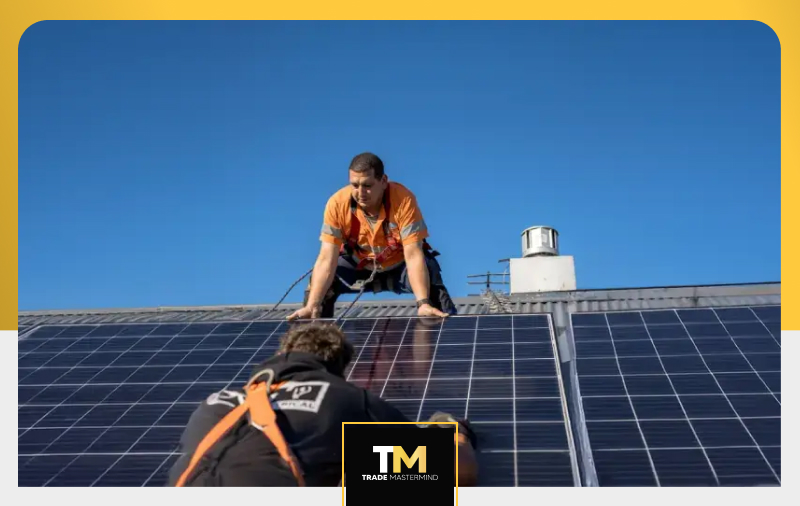
For decades, the standard path for an ambitious plumber, electrician, or builder has been straightforward: master the craft, purchase a van, gather tools, and look for clients. However, executing the trade is completely different from running a trade company. In 2026, the economic environment is more competitive than ever, and relying solely on manual expertise is no longer sufficient to survive. This is where business training comes into play.
Many trade specialists launch operations with exceptional technical capabilities but zero administrative preparation. To build a sustainable framework that survives past the initial setup phase, tradespeople must understand that their technical skill is simply the service being sold, while the actual product is the business itself.
The Changing Landscape of the Trades Industry in 2026
The commercial landscape for trade industries has transformed rapidly over recent years. According to industry analysis by Deloitte, engineering and construction firms face profound structural challenges in 2026, including material price volatility, complex supply chain bottlenecks, and severe labor shortages.
Operating on guesswork or word-of-mouth recommendations can lead to sudden financial ruin when margins are thin.
Furthermore, data from the Bureau of Labor Statistics indicates that construction and trade startups face a staggering 53% failure rate within their first five years of operation.
Shifting from a Technician to a Business Owner
Author Michael Gerber famously introduced the concept of the technician who gets struck by an entrepreneurial seizure. In the trades world, this happens when an elite engineer decides to work for themselves, assuming that because they understand the technical work, they understand a business that does that technical work. This is a critical misconception.
To break free from this exhaustive loop, tradespeople must look toward an established business academy to learn how to implement structured systems, build self-sufficient workflows, and step back from daily field labor. True growth requires you to work on the business rather than inside it.
The Pillars of Effective Business Scaling for Trades
To successfully navigate the complexities of modern entrepreneurship, tradespeople need a comprehensive, multi-step framework that touches every functional area of an organisation.
Mastering Marketing and Lead Generation
A major bottleneck for growing trade firms is an inconsistent pipeline of work. Many contractors live in a constant cycle of feast or famine, where they are overwhelmed with projects one month and scrambling for clients the next.
- Predictable Acquisition: Modern marketing requires predictable systems rather than occasional flyers or total dependence on platform referrals.
- Multi-Channel Strategies: Successful firms utilise localised search engine optimisation, targeted digital advertising, and strong brand placement to create consistent inbound inquiries.
- Quantifiable Metrics: Business training allows owners to accurately calculate their customer acquisition cost and track lead conversion rates effectively.
Sales Systems and Overcoming Objections
Securing an inquiry is only half the battle; converting that inquiry into a high-profit contract is where the real revenue lies. Many tradespeople underprice their services because they fear rejection or do not know how to articulate their unique value proposition.
Operational Efficiency and Supply Chain Management
As a company scales up from a solo contractor to an enterprise with multiple vans on the road, operational logistics become the ultimate differentiator between profit and loss. Without optimised processes, administrative confusion will inevitably destroy customer satisfaction.
- Workflow Standardisation: Creating clear, written guidelines for every daily task minimises errors and reduces liability for the owner.
- Procurement Optimisation: Developing an advanced understanding of supply chain mechanics helps growing firms negotiate better terms with manufacturers and suppliers.
- Resource Allocation: Utilising specialised scheduling and project tracking software ensures that materials and labor arrive on site exactly when needed.
Financial Literacy and Cash Flow Control
Cash is the ultimate lifeblood of any commercial operation. A company can have a packed calendar of upcoming jobs and still collapse into insolvency if its working capital is managed poorly.
Business owners must learn how to track their exact net profit margins, separate personal finances from corporate accounts, and establish strategic internal payment plans to keep operational capital stable during slow seasonal periods.
Recruitment and Building a Strong Workforce
According to recent labor market statistics, the industry faces an acute shortage of skilled trade professionals, meaning finding the right personnel is incredibly difficult. Good recruitment strategies ensure that your workforce has the precise capabilities required to fulfill client expectations safely.
How Trade Mastermind Accelerates Corporate Growth
Recognising this massive educational gap in the market, Trade Mastermind was established to teach tradespeople the fundamental business principles required to scale up. Founded by experienced entrepreneurs who understand the unique dynamics of plumbing, heating, electrical, and construction sectors, the academy bridges the gap between field skill and corporate execution.
Through structured training solutions, such as their signature 12-step business builder blueprint, Trade Mastermind helps sole traders and regional companies implement the exact strategies needed to hit seven-figure turnovers. Whether a business specialises in traditional boiler installations or modern renewables like solar and EV infrastructure, having access to vetted blueprints saves thousands of pounds in trial-and-error mistakes.
Conclusion
The year 2026 presents a massive double-edged sword for the trade and construction sectors. While market demand for skilled infrastructure, heating, and renewable installations remains incredibly strong, the operational risks brought on by inflation, labor shortages, and complex supply chain shifts are higher than ever.
To thrive in this environment, tradespeople must stop viewing themselves merely as day-laborers and start acting as professional corporate executives. Investing in a specialised business academy like Trade Mastermind provides the ultimate shortcut to success..