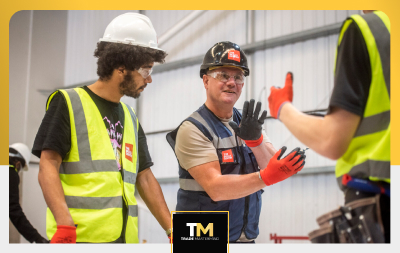
Scaling a construction business in the UK is no small feat. The industry is fast-paced, highly regulated, and often unpredictable. Yet, construction companies that invest in project management training consistently outperform their competitors, deliver projects on time, and build stronger reputations. Drawing from real-world experiences, expert reviews, and the latest industry standards, here’s why project management in construction is the secret weapon for sustainable growth.
[divi_library_layout id=”16468″]
1. Boosting Project Success Rates
Construction projects are notorious for running over budget and behind schedule. Project management training equips teams with proven methodologies and tools to plan, execute, and close projects efficiently. Many UK firms have reported a sharp rise in project success rates after investing in structured project management in construction training. By mastering resource allocation, risk assessment, and timeline management, teams can consistently deliver quality results, even on complex, multi-stakeholder builds.
2. Enhancing Communication and Team Collaboration
Miscommunication is a leading cause of costly delays and rework in construction. Project management in construction training emphasizes clear communication channels, regular progress updates, and defined roles. Real-life project managers have shared that after attending training, their teams became more cohesive, with fewer misunderstandings and disputes. This improved collaboration not only boosts morale but also ensures that everyone is aligned with project goals and client expectations.
3. Driving Efficiency and Reducing Waste
Inefficiency and waste can quickly erode profit margins on construction jobs. Training in project management in construction introduces systems for tracking progress, managing resources, and identifying bottlenecks. Many companies have adopted lean construction principles after formal training, leading to significant reductions in material waste and idle time. Step-by-step guides provided in these courses help teams streamline workflows and maximize productivity on-site.
4. Improving Risk Management and Problem-Solving
Construction sites are fraught with risks-from supply chain disruptions to safety hazards. Project management training teaches teams how to anticipate, evaluate, and mitigate risks before they escalate. Several UK construction leaders have recounted how risk management modules helped them avoid major setbacks, such as weather delays or unexpected regulatory changes. By embedding risk management into daily routines, businesses become more resilient and adaptable.
5. Meeting Regulatory and Quality Standards
With evolving UK building regulations and client demands for quality assurance, compliance is non-negotiable. Project management in construction training covers the latest standards, documentation practices, and quality control procedures. Builders who have completed accredited courses report fewer compliance issues and smoother inspections. This not only protects the business from costly penalties but also enhances its reputation for reliability and professionalism.
6. Empowering Leadership and Career Growth
Strong leadership is essential for scaling any construction business. Project management training sharpens leadership skills, such as delegation, conflict resolution, and decision-making. Many professionals have found that earning certifications-like PMP or MSc in Construction Project Management-opens doors to higher-level roles and increases earning potential. In fact, certified project managers in construction often command higher salaries and are sought after for prestigious projects.
7. Attracting and Retaining Top Talent
A culture of continuous learning is attractive to ambitious professionals. Construction firms that invest in project management in construction training find it easier to recruit and retain skilled staff. Team members appreciate the opportunity to upskill and take on greater responsibility. Real-world reviews highlight how training programs have reduced turnover and fostered loyalty, creating a stable foundation for business growth.
8. Adopting Best Practices and Innovation
The construction industry is evolving rapidly, with new technologies and methods emerging every year. Project management training exposes teams to the latest best practices-such as BIM (Building Information Modelling), agile project delivery, and digital collaboration tools. Companies that stay ahead of the curve are better positioned to win contracts and deliver innovative solutions to clients.
9. Strengthening Stakeholder Relationships
Satisfied clients, suppliers, and subcontractors are essential for repeat business and referrals. Project management in construction training teaches professionals how to manage stakeholder expectations, communicate progress, and resolve conflicts diplomatically. Many construction businesses have shared stories of winning long-term contracts and glowing testimonials after implementing stakeholder management strategies learned in training.
10. Scaling Operations with Confidence
Perhaps the most compelling reason to invest in project management training is the ability to scale operations confidently. As construction businesses grow, the complexity of projects and the number of moving parts increase. Training ensures that processes are standardized, risks are managed, and teams are prepared for larger, more lucrative contracts. Real success stories from UK builders show that those who prioritize project management in construction training are best equipped to expand into new markets and tackle ambitious developments.
Real-World Tips and Lessons Learned
- Unexpected Challenges: Several construction managers have faced sudden changes in project scope or regulations. Project management training provided the frameworks to adapt quickly and keep projects on track.
- Team Buy-In: Some firms initially struggled to get team members on board with new processes. Sharing real project outcomes and involving staff in training sessions helped overcome resistance.
- Continuous Improvement: Businesses that regularly review project outcomes and update their training see ongoing improvements in efficiency and client satisfaction.
Final Take
Scaling a construction business is about more than winning contracts-it’s about delivering consistent, high-quality results as complexity grows. Project management in construction training empowers teams with the skills, systems, and confidence needed to thrive in a competitive market. For practical guides, expert resources, and training opportunities tailored to the UK construction sector, visit Trademastermind.co.uk the trusted partner for ambitious builders ready to scale.